Noah Swart
Blog Topic
TWA – What Is It?
Mr. Moss
 |
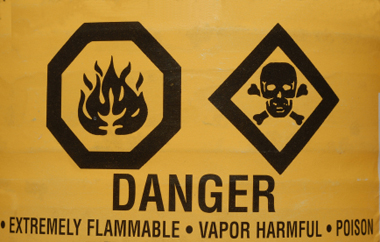
| Warning Hazard |
When working, with
toxic hazards, safety should always be your number one concern, and the number
one concern of your employer. As the hazardous waste and chemical management
field grows, more and more restrictions are being tightened to promote a safer
workplace. Specifically, the chronic effects workplace toxins can have one ones
health. In the past when coal mining was a booming industry profits were put
ahead of laborers health and because of this a bill was passed called
Occupational Safety and Health Act of 1970. This bill created the federal
organization of OSHA Occupational Safety and Health Administration which was
tasked with overseeing the health of all laborers in the United States
workforce. OSHA later went on to pass multiple guidelines to help prevent dangers
and protect the overall health of all United States worker.
One of these
guidelines is called TWA, or Time Weighted Average which was an overall
guideline for toxic exposure in the workplace. TWA is the process used to
calculate the exposure a worker will receive in a typical eight hour, work day.
This exposure is measured in hopes of preventing any big chronic exposures, for
instance, black lung in long term mine workers or radon exposure in house
workers. TWA takes into account all possible levels of toxins or substances in
the area at the time spent, this is done through a typical mathematical exposure calculations. A health worker may ask that a laborer wear a device to
measure the amount of a chemicals in the air.
 |
| TWA Balance |
After a health
worker has the right data required to make an accurate estimate of the quality
of work guidelines would typically be used to determine what forms of
protective measures should be used. TWA is alike in other toxin prevention
methods such as Permissible Exposure Limit or PEL for short, but it differs in
its formulaic way of dividing the sum of time, spent with levels of substance,
present to create an easy but effective prevention method.


No comments:
Post a Comment